
A rough ceramic surface can be smoothed through physical coating, grinding, or high-tech methods. Here are the three main approaches:
1. Coating: Put on a "smooth coat"
This is the most classic method—applying a new material layer.
Glazing: Like brushing the ceramic with a layer of glassy solution. After drying and high-temperature firing, this "glaze" melts into a hard, dense glass-like layer, instantly filling in all unevenness to make the surface smooth, shiny, and impermeable. The smooth feel of daily tableware like bowls and plates comes from this glaze layer.
2. Grinding: Give it a direct "polish"
If coating is not desired or extreme dimensional accuracy is required, direct grinding is used.
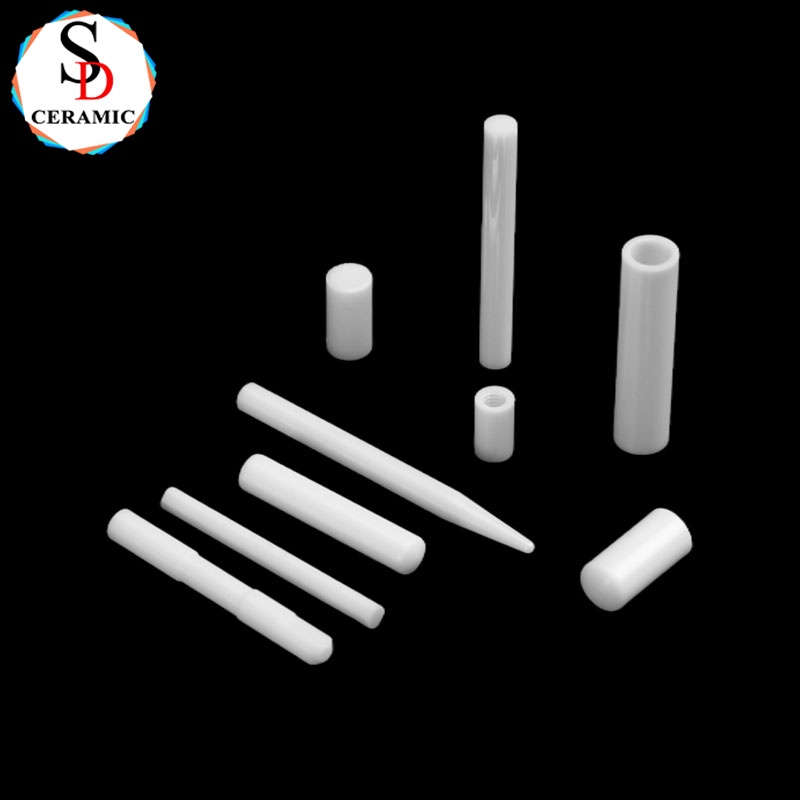
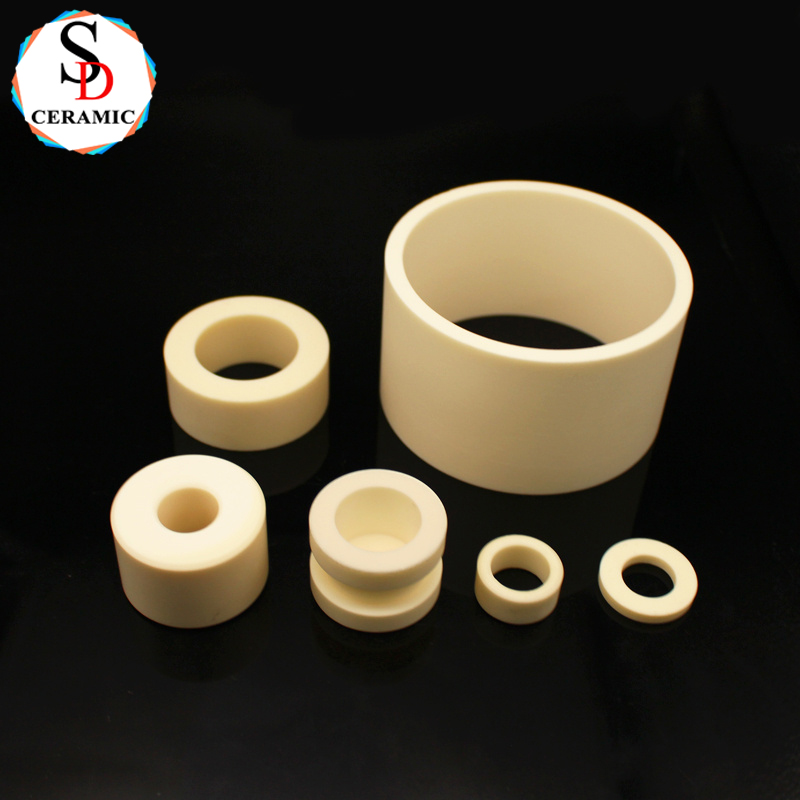
Grinding and Polishing: Use harder materials than ceramics (e.g., diamond grinding wheels) to repeatedly rub the surface from coarse to fine, literally grinding down all protrusions. Ultimately, a mirror-like smooth finish can be achieved. This method is commonly used for precision industrial ceramic components.
3. High Technology: "Smooth" the surface with energy
This is a more modern high-tech approach.
Laser Polishing: Scan the ceramic surface with high-energy laser, causing an extremely thin layer to instantly melt. Under surface tension, the liquid will self-level and then rapidly solidify, resulting in a highly smooth surface. This method is ideal for processing ceramic parts with complex or tiny shapes.
Summary:To smooth ceramics, glazing is the most common and aesthetically pleasing method; grinding is for ultimate precision; and high-tech solutions like laser polishing are recommended for special complex shapes.
 |  |
If you have any questions or need help, feel free to contact with our team.
Phone
+86 15335210683
Location
Qianluo Village, Dingshu Town, Yixing City, Jiangsu Province, China
Welcome to subscribe to our email message!


Copyright © Yixing Shengda Refractory Ceramic Co., Ltd. All Rights Reserved | Sitemap | Powered By