
The core difference between 99% and 99.5% alumina ceramics lies in their purity. This 0.5% difference leads to a huge gap in their performance and applications.
Leap in Performance
The increase in purity directly translates into qualitative changes in three key properties:
1. Electrical Insulation: Impurities are the culprit of current leakage. 99.5% ceramics have fewer internal defects, so their insulation strength and volume resistivity far exceed those of 99% ceramics, making them suitable for high-voltage and high-frequency scenarios.
2. Mechanical Strength: Impurities weaken the bonding force between grains. 99.5% ceramics have a denser and more uniform structure, with significantly improved hardness and flexural strength, making them more wear-resistant and pressure-resistant.
3. Chemical Stability: Impurities are the breakthrough point for chemical corrosion. Thus, 99.5% ceramics have much better corrosion resistance.
Divergence in Applications
Performance differences determine their application boundaries:
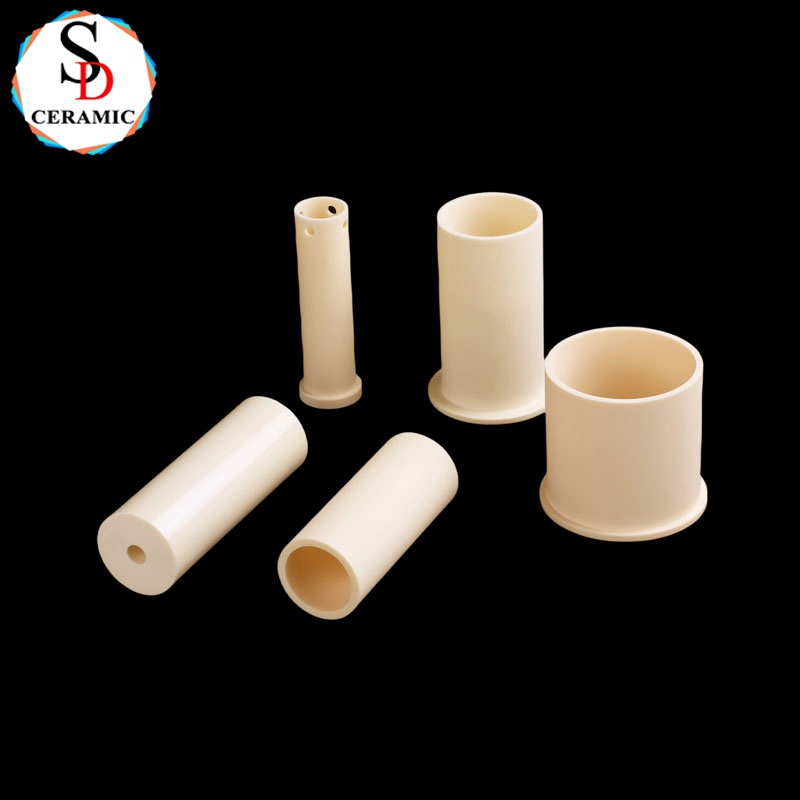
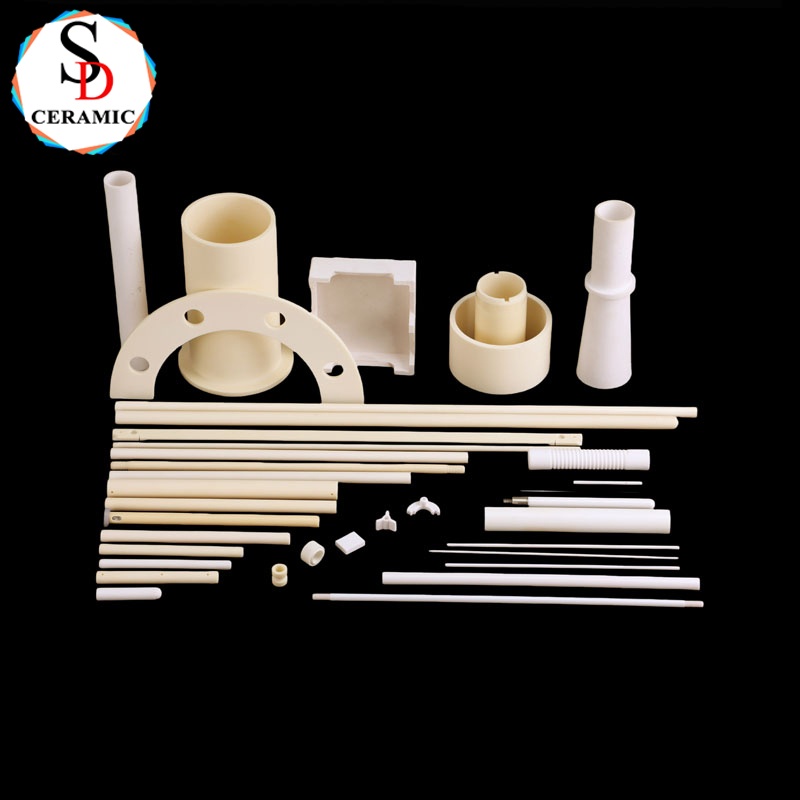
99% Ceramics: They are cost-effective and widely used in conventional industrial fields such as mechanical seals and wear-resistant components.
99.5% Ceramics: They are positioned in the high-end market and serve as key materials for integrated circuit substrates, semiconductor components, high-performance bearings, and medical implants.
Conclusion
This 0.5% difference in purity is a technical threshold that distinguishes "industrial-grade" from "electronic-grade/high-performance-grade" ceramics, reflecting a precise trade-off between cost and ultimate performance.
 |  |
If you have any questions or need help, feel free to contact with our team.
Phone
+86 15335210683
Location
Qianluo Village, Dingshu Town, Yixing City, Jiangsu Province, China
Welcome to subscribe to our email message!


Copyright © Yixing Shengda Refractory Ceramic Co., Ltd. All Rights Reserved | Sitemap | Powered By